Flood Water Cleanup
Flood Water Cleanup Boulder CO, 24/7
Flood Water Cleanup Boulder CO starts with a phone call and ends with a dry, tested structure. Boulder Water Pros handles burst pipes, flash-flood intrusion, sewage backups, and basement seepage for homes and businesses across Boulder County. We answer 24/7, arrive with truck-mounted extraction equipment, and document every step for your insurance claim. Most jobs are dry to standard in three to five days.
Service overview
What Flood Water Cleanup Boulder CO Really Involves
Flood Water Cleanup Boulder CO is the process of removing standing water, extracting saturated materials, and drying a structure back to pre-loss moisture levels. It is not a shop-vac job. We start with a moisture meter and thermal imaging camera to map where water actually traveled, then pull it out with a truck-mounted water extraction unit or submersible pump when the volume is heavy. From there it is air movers, low-grain refrigerant dehumidifiers, and daily readings until the numbers match your dry standard.
Boulder homes flood for predictable reasons. Frozen pipes split during a January cold snap, water heater tanks let go in the middle of the night, appliance supply lines fail behind the washer, and flat roofs pond water that finds a seam. Add flash-flood intrusion along the foothills and you have a city where emergency floodwater cleanup Boulder CO is a year-round call, not a seasonal one. If you are searching for same-day cleanup after flooding in Boulder, Colorado, we run crews around the clock.

Practical benefits
Why Boulder Homeowners Call Us First
Water damage gets worse by the hour. These are the four outcomes that matter most when your floor is wet and the clock is running.
Water Out in Hours
Our truck-mounted water extraction unit pulls hundreds of gallons fast, and we set submersible pumps in basements and crawlspaces where a portable extractor cannot reach. Most residential flood water cleanup in Boulder moves from standing water to surface-dry within the first four to six hours on site.
Drying Backed by Science
We do not guess when a floor is dry. Moisture meter and thermal imaging camera readings are logged every day, and we adjust air movers and low-grain refrigerant dehumidifiers until wall cavities, subfloor sheathing, and carpet padding hit the dry standard set by ANSI/IICRC S500.
Insurance Documentation
Every Boulder flood cleanup company says they work with insurance. We photograph affected materials, log moisture readings, and produce a scope that adjusters accept the first time. That paperwork is often the difference between a covered claim and a fight over whether your hardwood flooring was actually wet.
Mold Stopped Early
Secondary mold growth can start in 24 to 48 hours on wet drywall and fiberglass batt insulation. We apply antimicrobial disinfectant during extraction and run HEPA air scrubbers through the drying phase, which is why our floodwater removal and cleanup for Boulder homes rarely turns into a remediation project.
How service works
What to Expect From Start to Finish
Five steps, no surprises. Here is exactly how a flood water cleanup job runs from the first call to the final moisture reading.
STEP 01
Call and Triage
You call (720) 743-9371 and speak to a person, not a voicemail. We ask where the water is coming from, how deep it is, and whether the source is stopped. That tells us what to load on the truck. Crews roll within the hour for active flooding anywhere in Boulder County.
Tools and methods
Equipment and Methods We Use
Truck-mounted water extraction unit
Pulls large volumes of standing water fast, far more than a portable shop vacuum. It is the first piece of equipment on the truck for any significant flood.
Submersible pump
Used in basements and crawlspaces where water is too deep for standard extraction. It moves water out before we bring in drying equipment.
Low-grain refrigerant dehumidifier
Pulls moisture out of the air and, by extension, out of building materials. We run Dri-Eaz and Phoenix Restoration Equipment units on most jobs.
Air mover
XPOWER air movers keep air circulating across wet surfaces so evaporation happens faster. Placement matters, and we reposition them as drying progresses.
Moisture meter and thermal imaging camera
These two tools tell us where water actually is. We use them at intake and daily until readings match your dry standard.
HEPA air scrubber
Filters airborne particles during drying and after material removal. It is standard on sewage backups and any job with mold risk.
Injectidry wall cavity drying system
Dries inside wall cavities without full tear-out. It saves drywall and paint on many Boulder flood jobs where wicking is limited.
ANSI/IICRC S500 Standard for Professional Water Damage Restoration
This is the standard we follow for every flood water cleanup in Boulder. It defines water categories, drying goals, and documentation requirements, and it is what your insurance adjuster expects to see in the scope.
Daily moisture monitoring
We take moisture meter and thermal imaging camera readings every day and log them. Drying equipment gets adjusted or moved based on those numbers, not on a fixed schedule. This is how we know when the job is actually done.
Containment and air scrubbing
Polyethylene containment sheeting keeps dust and moisture from spreading into clean areas during tear-out. HEPA air scrubbers run throughout, which matters most on sewage backups and any job with mold risk.
Material-specific drying plans
Hardwood flooring, subfloor sheathing, and concrete all dry at different rates. We build the drying plan around the materials in your home, which is why a slab basement and a wood-framed crawlspace get different setups.
Where this service fits
When to Call for Flood Cleanup
A water heater tank fails overnight and floods the utility room and hallway carpet.
We shut off the supply, extract the standing water, and pull wet carpet and padding. Air movers and a low-grain refrigerant dehumidifier go in the same visit, and we check the adjacent wall cavities for wicking. The floor is dry in three days, the water heater gets replaced, and the carpet is reinstalled without a mold problem.
Heavy spring rain sends water through a basement window well in Martin Acres.
We pump the bulk water with a submersible pump, extract the rest, and dry the concrete slab and any stored items. We also flag the window well drainage so it does not repeat next storm. The basement is dry and usable again within four days, and you know what to fix before the next rain.
A frozen pipe splits in an unheated crawlspace during a January cold snap.
We thaw and repair coordination with a plumber, extract the water, and dry the crawlspace with air movers and a desiccant dehumidifier. Polyethylene containment sheeting keeps moisture from spreading into the living space. The crawlspace dries to standard, insulation is replaced where ruined, and the pipe is insulated against the next freeze.
A commercial kitchen on Pearl Street floods from a failed dishwasher line before a busy weekend.
We work after hours to avoid disrupting service, extract the water, and set commercial drying equipment. The work area is contained so the rest of the kitchen stays operational. The kitchen reopens on schedule, and the health inspection is not affected by lingering moisture.
Local execution
How Flood Water Cleanup Runs in Boulder
Boulder sits against the foothills, which means two very different flood risks in the same city. West-side neighborhoods like Newlands and Mapleton Hill deal with flash-flood intrusion and older foundation seepage, while east Boulder and Gunbarrel see more slab leaks and frozen pipe failures in winter. Housing stock matters too. Pre-1978 homes often have lead paint under the finish, which is why we carry EPA Lead Renovation, Repair and Painting (RRP) certification and take the extra containment steps on tear-out. We follow ANSI/IICRC S500 on every job, and we know Boulder County inspectors expect moisture documentation when a permit is pulled for rebuild. If you need emergency flood damage restoration near me in Boulder, we run crews 24/7 across ZIP codes 80301 through 80305. Winter freeze-thaw cycles split pipes, spring storms push water through window wells, and summer monsoon cells drop an inch of rain in an hour. We have seen all of it, and we plan the drying setup around what your specific neighborhood throws at it.
Mapleton Hill
Older Victorian homes with stone foundations and finished basements. Seepage and window well intrusion are common, and lead paint containment matters on tear-out.
Table Mesa
Slab-on-grade homes where water travels under flooring before it shows. Thermal imaging camera readings are essential here to find hidden moisture.
Gunbarrel
Townhomes and multi-unit buildings where a single supply line failure can flood two units. We coordinate with HOA contacts and document shared-wall damage.
North Boulder
Mix of newer construction and older rentals. Appliance supply line failures and water heater leaks are the most frequent calls we get here.
Whittier
Historic downtown-adjacent homes with tight lots and limited equipment access. We plan hose runs and equipment placement before arrival.
Winter freeze-thaw cycles split pipes
January and February generate the most burst-pipe calls of the year. Unheated crawlspaces and exterior walls are the usual failure points, and water can run for hours before it is noticed.
Flash-flood risk along the foothills
Fast storms push water and silt through doors and window wells. Extraction is slower because debris clogs drains, and we flush surfaces before drying starts.
Aging housing stock with lead paint
Pre-1978 homes require EPA RRP containment during tear-out. It adds a step to the job, but it keeps your family and our crew safe and keeps the project compliant.
High-altitude dry air in summer
Low humidity helps surface drying but can mask moisture still trapped in wall cavities. We rely on meter readings rather than feel, especially in July and August.
Problems we solve
Flood Problems We Solve in Boulder
Most flood calls come down to a handful of failures. Here are the ones we see most often in Boulder homes and how we handle them.
Burst or frozen pipes in winter
We shut down the source, extract standing water, and open wall cavities where needed to dry the framing. Thermal imaging camera readings tell us exactly how far the water traveled, so we are not guessing about what to remove. A split copper line can dump hundreds of gallons into walls and ceilings before anyone notices. By morning you have wet drywall, soaked insulation, and a real risk of mold in the wall cavity.
Sewage backup in a basement
We remove contaminated materials, apply antimicrobial disinfectant, and run HEPA air scrubbers to clear airborne particles. This is a bigger scope than a clean-water flood, and we price it honestly before we start. Category 3 water carries bacteria and pathogens. Anything it touches, from carpet padding to drywall, is contaminated and cannot simply be dried and kept.
Flash-flood intrusion at grade
We pump and extract the bulk water first, then flush and clean affected surfaces before drying. Subfloor sheathing and hardwood flooring get monitored closely because they hold moisture longer than concrete. Water pushes through doors, window wells, and foundation gaps during a fast storm. It brings silt and debris with it, which clogs drains and makes extraction slower.
Hidden moisture in wall cavities
We use a moisture meter and thermal imaging camera on every job, and we cut small inspection openings where readings are elevated. Injectidry wall cavity drying systems let us dry many cavities without full tear-out. Water wicks up inside walls and sits there. You see a dry surface, but the framing and insulation behind it stay wet, and that is where structural rot and mold start.
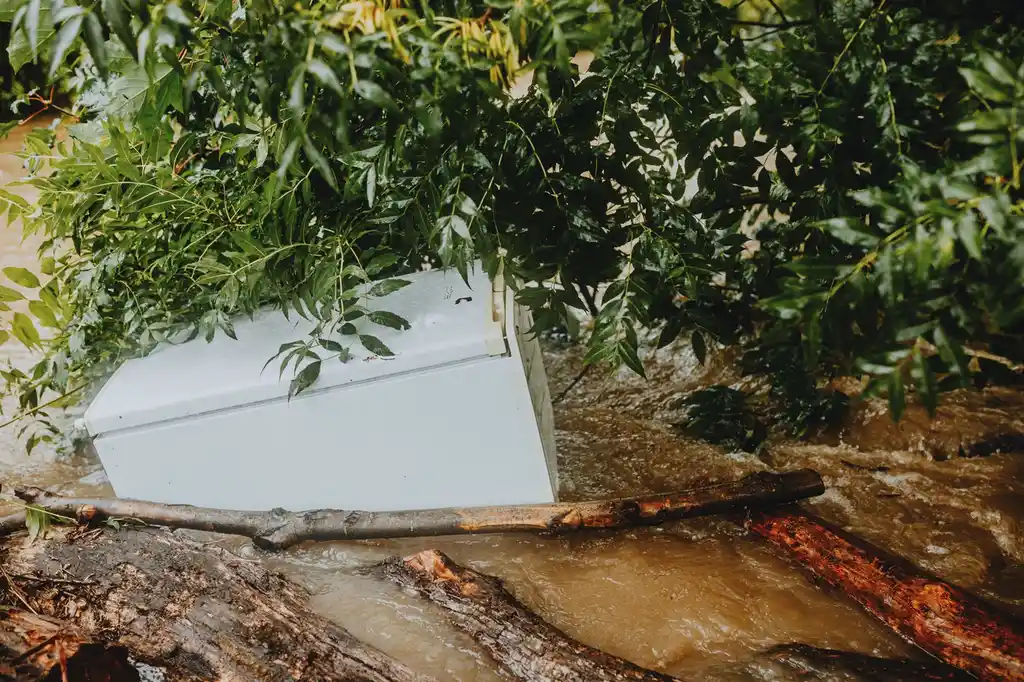
A practical standard for every visit.
Clear planningPrepared arrivalsCareful workLocal follow-through
Experience in the details
Ten Years of Boulder Water Damage Work
Boulder Water Pros has been drying out Boulder structures since 2016. In that time we have worked everything from Mapleton Hill Victorian basements to Gunbarrel townhome slabs to commercial kitchens on Pearl Street. Our technicians hold IICRC Water Damage Restoration Technician (WRT) and Applied Structural Drying (ASD) credentials, and we follow ANSI/IICRC S500 on every job. We also carry EPA Lead Renovation, Repair and Painting (RRP) certification, which matters in Boulder's older housing stock where lead paint is still present under layers of finish.
- IICRC Water Damage Restoration Technician (WRT) certified crews on every job
- IICRC Applied Structural Drying (ASD) training for complex drying projects
- EPA Lead Renovation, Repair and Painting (RRP) certification for pre-1978 homes
- OSHA 10-Hour Construction Safety training across all field staff
- Ten years serving Boulder County, from Table Mesa to North Boulder
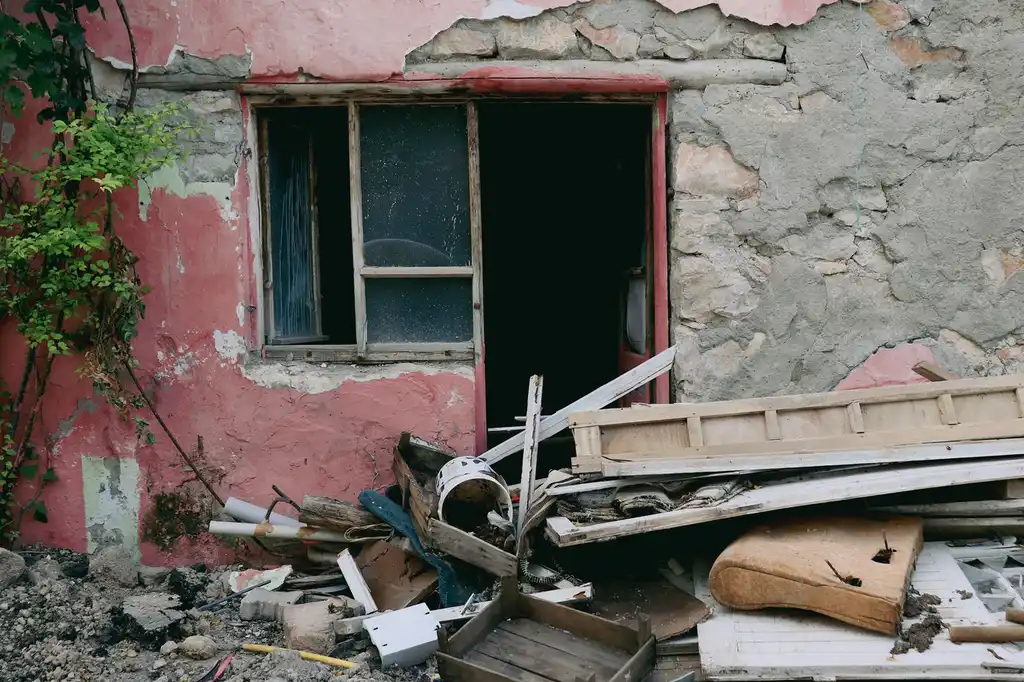
Where we work
One local team. A lot of ground covered.
Table MesaMartin AcresNorth BoulderGunbarrelNewlandsWhittierFrasier MeadowsWonderland HillsDevil's ThumbMapleton Hill
Check my address Boulder Water Pros provides emergency flood water cleanup in Boulder, Colorado, 24 hours a day. We are based locally, founded in 2016, and our crews carry IICRC WRT and ASD certifications. Call (720) 743-9371 and we dispatch with truck-mounted extraction equipment, usually arriving within the hour for active flooding in Boulder County.
Typical 2026 pricing in Boulder runs $1,200 to $3,500 for a standard residential flood cleanup with drying, and $4,000 to $12,000 or more when rebuild is included. Square footage, water category, and how many materials get removed drive the number. Sewage backups cost more because of the disinfection and disposal requirements.
Floodwater should be removed within 24 to 48 hours. After that, secondary mold growth can colonize wet drywall, carpet padding, and fiberglass batt insulation, and structural rot starts in wood framing. That is why we run 24/7 and treat every call as time-critical, even a small basement seepage.
Yes. Structural drying is the core of the job, not an add-on. We set air movers and low-grain refrigerant dehumidifiers, take daily moisture meter and thermal imaging camera readings, and do not remove equipment until your structure hits the dry standard in ANSI/IICRC S500. Skipping that step is how a wet wall becomes a mold job.
Keep exploring
Related Services
Your next step is waiting
Call Now for Flood Water Cleanup Boulder CO
Every hour of standing water adds cost and risk. Boulder Water Pros is licensed, insured, and answering the phone right now. Call (720) 743-9371 for a same-day estimate and an honest arrival window.
Start with the basics
Call Boulder Water Pros
We answer the phone 24/7, including holidays, and dispatch from central Boulder. Most calls inside the city get a technician on site within an hour. Call (720) 743-9371 or email [email protected] and tell us what is wet.