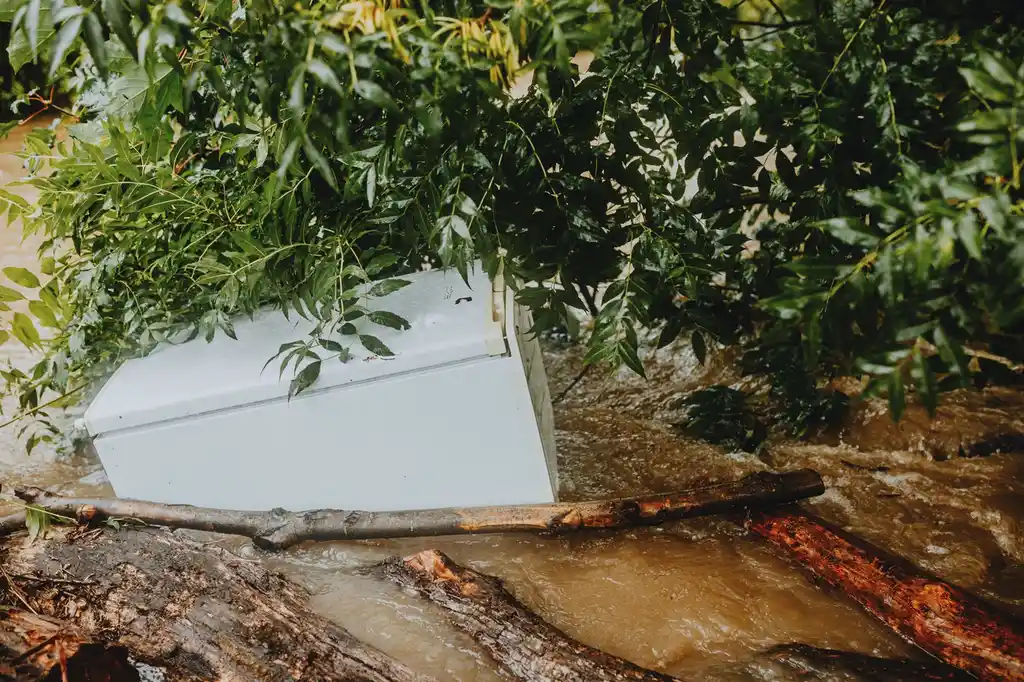
Basement Water Removal
Basement Water Removal Boulder CO - Pumped Dry, Same Day
Basement Water Removal Boulder CO means standing water gone and your foundation drying the same day you call. We pump flooded basements, extract saturated carpet and padding, and set drying equipment before moisture wicks into your framing. Whether a supply line let go in Martin Acres or spring runoff seeped into a Gunbarrel crawlspace, our IICRC-certified technicians handle the extraction, cleanup, and documentation. One call, one crew, no runaround.
Service overview
What Basement Water Removal Boulder CO Really Involves
Basement Water Removal Boulder CO is the process of pumping, extracting, and drying a flooded below-grade space so structural materials stop absorbing water. It starts with a submersible pump or truck-mounted water extraction unit pulling the bulk of the water, then a portable water extractor works the carpet and padding. From there we map hidden moisture with a thermal imaging camera and pin-type moisture meter, because a floor that looks dry can still be holding 20 percent moisture in the subfloor sheathing. Drying equipment runs until readings match a dry standard, not until the floor feels dry to the touch.
Boulder basements flood for predictable reasons. Frozen pipes split during a January cold snap, water heater tanks rust through, and appliance supply lines fail quietly behind the washer. Add flat-roof snowmelt and clay-heavy soils in Table Mesa, and you get basement seepage that shows up hours after the storm passes. That is why we run 24/7 basement water removal in Boulder CO - water sitting overnight turns into warped hardwood flooring and secondary mold growth within 24 to 48 hours. Our Boulder basement water removal service is built around that clock.
Practical benefits
Why Boulder Homeowners Call Us First
Water in a basement gets worse by the hour. These are the outcomes that matter when you are standing at the top of the stairs looking at a flooded floor.
Water Out in Hours
A typical residential basement holds 500 to 1,500 gallons after a supply line failure. Our truck-mounted water extraction unit pulls that volume fast - most single-family jobs are pumped and extracted within two to four hours of arrival. You are not waiting until tomorrow to see your floor again.
Mold Stopped Early
Mold colonization can begin in 24 to 48 hours on wet drywall and carpet padding. We apply antimicrobial disinfectant, set HEPA air scrubbers, and dry cavities below 16 percent moisture content. That is the threshold where secondary mold growth stops being a threat in most Boulder homes.
Insurance Documentation
We photograph affected materials, log moisture readings room by room, and record equipment placement before, during, and after drying. That file is what your adjuster needs for a basement flood cleanup Boulder claim. You get the same documentation whether you file or pay out of pocket.
Structural Materials Saved
Fast extraction often saves subfloor sheathing, moisture-resistant drywall, and even hardwood flooring that would otherwise be torn out. When we dry a Boulder basement within the first 24 hours, we save the original floor in roughly three out of four jobs we run.
How service works
How Our Basement Water Removal Process Works
Every job follows the same sequence, from the first phone call to the final moisture reading. Here is exactly what you will see when our crew arrives.
STEP 01
Emergency Call
You call (720) 743-9371 and describe what you see. We ask about the water source, depth, and whether sewage is involved, then dispatch the nearest crew. Boulder-area calls get a technician on site in 60 to 90 minutes, day or night, including holidays.
Tools and methods
Equipment and Standards We Use
Truck-Mounted Water Extraction Unit
Pulls large volumes of water from carpet and hard surfaces faster than portable units. Used on every job where the affected area exceeds roughly 300 square feet.
Submersible Pump
Moves standing water deeper than two inches. Essential for basements where the water level is above the carpet or where a floor drain is not available.
Thermal Imaging Camera
Reveals hidden moisture behind walls and under flooring without cutting into finished surfaces. We use it to build the moisture map on every job.
Low-Grain Refrigerant Dehumidifier
Pulls moisture from the air in standard residential drying. A Dri-Eaz or Phoenix Restoration Equipment unit is the workhorse on most Boulder basement jobs.
Desiccant Dehumidifier
Used when temperatures are low or the space needs very dry air fast. Common in unheated basements during winter months when refrigerant units lose efficiency.
HEPA Air Scrubber
Filters airborne mold spores and debris during drying and cleanup. Standard on any job involving contaminated water or visible mold growth.
Moisture Meter and Infrared Thermometer
The verification tools. We log readings daily and do not pull equipment until structural materials read below 16 percent moisture content.
ANSI/IICRC S500 Standard
The industry standard for professional water damage restoration. It defines water categories, drying goals, and documentation requirements. Every job we run follows it, which is why our paperwork gets accepted by insurers without argument.
Moisture Mapping
Before drying equipment goes in, we map moisture across the entire affected area with a thermal imaging camera and pin meter. This tells us exactly where to place air movers and whether wall cavities need Injectidry panels.
Daily Drying Verification
We return every day to log moisture readings and adjust equipment placement. Drying is not a set-it-and-forget-it process. Materials dry at different rates, and the equipment layout that works on day one is often wrong by day three.
Antimicrobial Application
After extraction and before drying, we apply antimicrobial disinfectant to affected surfaces. This is standard practice on category 2 and 3 losses and slows microbial growth while the space dries out.
Where this service fits
When Boulder Homeowners Call Us
A supply line to the washing machine fails overnight in a Martin Acres ranch home.
We shut the valve, pump the standing water, and extract from the laundry room and adjacent finished space. Carpet padding is removed and the subfloor is dried with air movers and a dehumidifier. The basement is dry in four days. The homeowner avoids replacing the subfloor and only pays for new padding and carpet re-stretch.
Spring snowmelt overwhelms a sump pump in a Wonderland Hills split-level.
We set up temporary pumping to handle the incoming water, extract what is already inside, and dry the affected wall cavities. We also check the sump pit and discharge line for the failure point. Water is under control within two hours. The homeowner gets a clear answer on why the pump failed and what to fix before the next melt.
A sewage backup floods a Gunbarrel commercial laundry room on a Friday afternoon.
We treat it as category 3, contain the area, remove contaminated materials, disinfect, and set drying equipment over the weekend so the business can reopen Monday. The space passes a cleanliness check Sunday night. The business opens Monday with no interruption to operations and full documentation for its insurer.
Local execution
How Basement Water Removal Works in Boulder
Boulder basements flood differently than basements in most Colorado cities. The housing stock skews older - plenty of homes built between 1950 and 1970 with unsealed concrete block foundations and original clay sewer laterals that crack and root-infiltrate. Add Boulder's expansive clay soils, which hold snowmelt against foundation walls for days after a storm, and you get seepage that shows up long after the weather clears. Winter brings the opposite problem: unheated basements and crawlspaces freeze, and a split copper supply line can dump hundreds of gallons before anyone hears it. We stage crews across Boulder County so a call from Whittier or Frasier Meadows gets a technician on site in 60 to 90 minutes. If you need basement flood cleanup in Boulder, Colorado after a spring melt or a January freeze, we have run that exact job hundreds of times. We know which neighborhoods have sump systems that fail under sustained inflow and which older homes have floor drains tied to laterals that cannot keep up.
Mapleton Hill
Historic homes with stone and brick foundations that seep during prolonged wet periods. We use cavity drying panels here because the walls cannot be opened without damaging historic finishes.
Table Mesa
Clay-heavy soils and split-level designs mean water often enters at the foundation wall and spreads under the lower level. Moisture mapping is critical because the floor can look dry while the subfloor is saturated.
Gunbarrel
Newer construction with finished basements and sump systems. Failures here tend to be appliance supply lines and sump pump burnout rather than foundation seepage.
Martin Acres
Ranch homes with original floor drains tied to aging laterals. Sewage backups are more common here than clean-water floods, and they require category 3 handling.
Expansive clay soils holding snowmelt against foundations
Seepage continues for days after the storm passes, so drying equipment has to run longer than a typical clean-water loss. We often set temporary pumping alongside the drying setup.
Winter freeze events splitting unheated supply lines
Frozen-pipe calls spike in January and February. These jobs combine plumbing repair with extraction, and the water is often clean, which means more materials can be saved.
Aging clay sewer laterals in pre-1970 neighborhoods
Root infiltration and lateral cracks cause sewage backups that require category 3 cleanup. Porous materials come out, and the space is disinfected before drying begins.
Problems we solve
Basement Water Problems We Solve in Boulder
Most basement floods in Boulder fall into a handful of categories. Knowing which one you have determines how fast we move and what materials can be saved.
Burst or frozen pipe in an unheated basement
We shut the main valve, extract standing water, and dry the affected zone. If the pipe itself needs repair, we coordinate that so the drying can start immediately. Most frozen-pipe jobs are extracted and drying within three hours of arrival. A split half-inch pipe can release 200 gallons or more before anyone notices. Water spreads across the floor, soaks carpet padding, and wicks into wall cavities within hours.
Water heater tank failure
We kill power to the unit, pump the standing water, and extract from carpet and subfloor. Hot-water losses get extra attention on the moisture map because heat drives water deeper into materials before it cools. A 50-gallon tank dumps its contents fast, and the water is hot enough to warp flooring and loosen adhesive. If the tank sits in a finished basement, damage spreads to drywall and stored belongings.
Foundation seepage after heavy rain
We extract the standing water, dry the wall cavities with Injectidry panels, and identify where the water is entering. If it is a drainage issue, we tell you what a foundation contractor needs to address so it does not repeat. Boulder's clay soils hold water against foundation walls. Seepage is slow, so homeowners often ignore it until the carpet smells musty and baseboards start to swell.
Sewage backup through a floor drain
Our crew arrives in full PPE, isolates the area with polyethylene containment sheeting, removes contaminated materials, and disinfects with hospital-grade products. Drying equipment goes in only after the space is verified clean. Category 3 water carries bacteria and pathogens. Anything porous it touches - carpet, padding, drywall - has to be removed, not dried. The space is unsafe to occupy until it is disinfected.
A practical standard for every visit.
Clear planningPrepared arrivalsCareful workLocal follow-through
Experience in the details
Ten Years Drying Boulder Basements
Boulder Water Pros has been drying basements in Boulder County since 2016. Our technicians hold IICRC Water Damage Restoration Technician (WRT) and Applied Structural Drying (ASD) certifications, and every job follows the ANSI/IICRC S500 Standard for Professional Water Damage Restoration. We have pumped out everything from a two-inch seepage in a Whittier bungalow to a four-foot sewage backup in a Gunbarrel commercial space. That range matters, because a flooded basement is never just water - it is water plus whatever it picked up on the way in.
- IICRC WRT and ASD certified technicians on every residential and commercial job
- ANSI/IICRC S500 drying protocols followed from extraction through final verification
- 10 years serving Boulder County, from Mapleton Hill to Frasier Meadows
- Thermal imaging and moisture mapping on every job, not just the big ones
- Direct insurance documentation with photo logs and daily moisture readings
Where we work
One local team. A lot of ground covered.
Table MesaMartin AcresNorth BoulderGunbarrelNewlandsWhittierFrasier MeadowsWonderland HillsDevil's ThumbMapleton Hill
Check my address Boulder Water Pros runs 24/7 emergency basement water removal in Boulder, with crews staged across Boulder County and a 60 to 90 minute response window. Call (720) 743-9371 and a technician is dispatched immediately, including nights, weekends, and holidays. We handle burst pipes, water heater failures, appliance supply line breaks, and storm-driven seepage.
Most residential basement water extraction jobs in Boulder run $450 to $1,800 in 2026, depending on water depth, square footage, and whether the space is finished. Sewage-contaminated water adds cost because it requires full disinfection. Drying equipment rental is billed daily, typically $75 to $150 per day for the full setup.
Pump it within 24 hours, ideally within 12. Mold colonization can start in 24 to 48 hours on wet drywall and carpet padding, and warped hardwood flooring can begin cupping in under a day. Water also wicks upward into wall cavities, so the longer it sits, the more materials have to be removed instead of dried.
Yes, when extraction and drying happen fast enough. We apply antimicrobial disinfectant, run HEPA air scrubbers, and dry structural materials below 16 percent moisture content, which is the threshold where mold growth stops. Jobs dried within the first 24 hours rarely develop a mold problem. Jobs that sit for three days often do.
Keep exploring
Other Services Boulder Homeowners Pair With This One
Your next step is waiting
Call Now for Basement Water Removal Boulder CO
Water sitting in your basement gets more expensive every hour. Our crews are IICRC-certified, insured, and staged across Boulder County for 60 to 90 minute response. One call and we are on the way.
Start with the basics
Call Boulder Water Pros
We answer the phone 24/7, including holidays, and dispatch from central Boulder. Most calls inside the city get a technician on site within an hour. Call (720) 743-9371 or email [email protected] and tell us what is wet.